

 Česky (CZK)
 Deutsch (EUR)
 Polski (PLN)
 Français (EUR)
 Español (EUR)
 Italiano (EUR)
 Română (EUR)
 Ελληνικά (EUR)
 Dutch (EUR)
 Eesti keel (EUR)
 Português (EUR)
 Magyar (EUR)
 Svenska (EUR)
 Dansk (EUR)
 Suomen kieli (EUR)
 български език (EUR)
 Slovenščina (EUR)
 Slovensky (EUR)
 lietuvių kalba (EUR)
 latviešu valoda (EUR)
 Hrvatski (EUR)
 українська мова (EUR)
 Bahasa Indonesia (EUR)
Are you trying to quit smoking? Reach for the CBD!
- Quit smoking? Choosing a better and longer life
- A new player enters the game
- How can CBD help with quitting cigarettes?
- Reducing the appeal of cigarettes
- Alleviating physical symptoms
- Other effects of CBD on the human body
- From the mud to the puddle?
- How to use CBD for cigarette cessation?
- Conclusion
Quit smoking? Choosing a better and longer life
Getting rid of your addiction to cigarettes is one of the best decisions you can make for your health. Smoking is behind a wide range of health complications and life-threatening diseases. Although quitting smoking is not easy, a fuller and longer life is definitely worth it. How much does smoking affect our bodies?
Data shows that 20% of all cancers are caused by smoking, with cigarettes being the culprit in 80% of lung cancers. Cigarette smoking not only damages the lungs but also narrows the arteries, reduces blood flow, increases blood pressure and the risk of blood clots. This contributes to a range of cardiovascular diseases and can cause strokes and heart attacks.
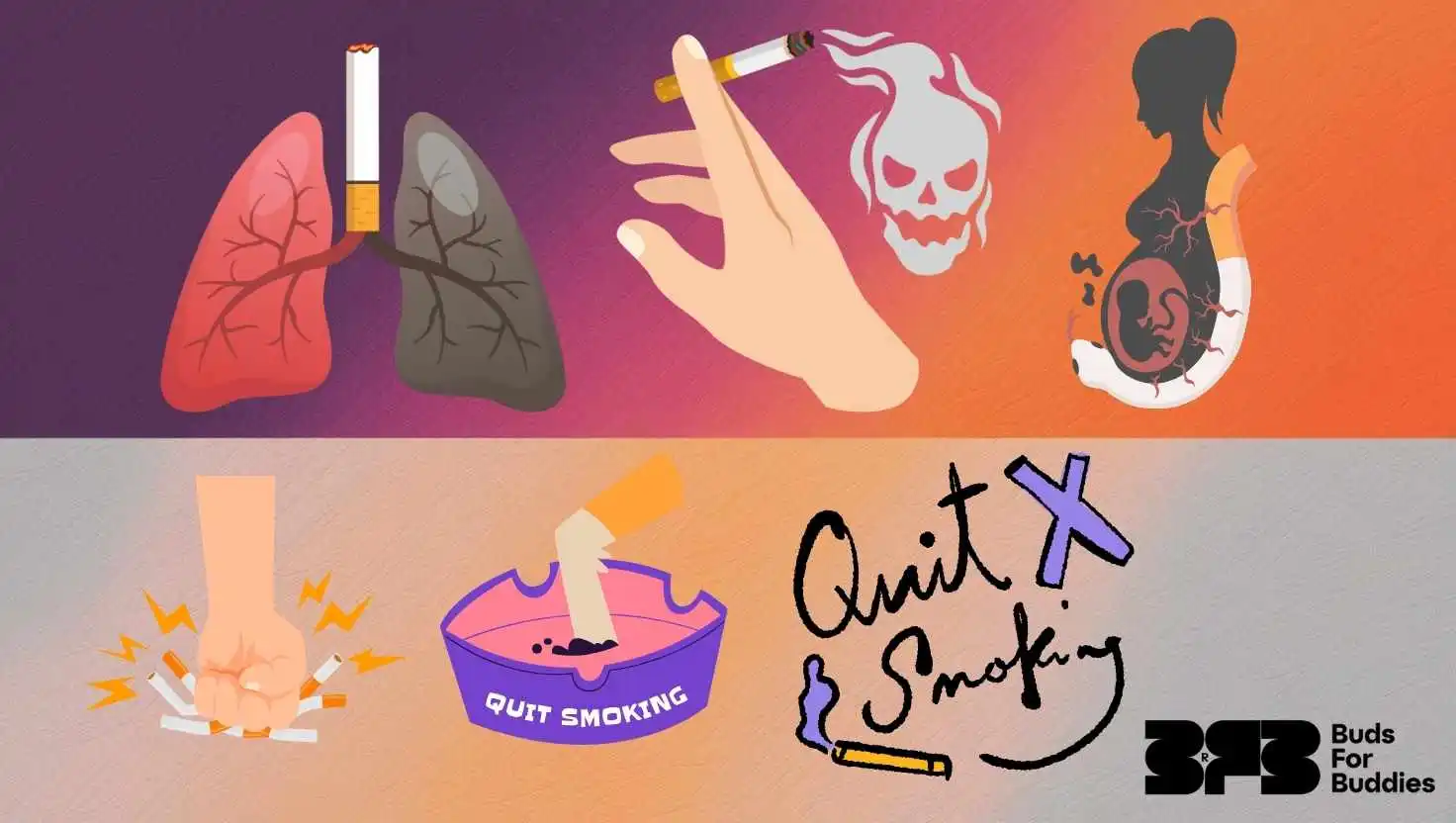
Smoking also has a negative impact on the reproductive organs, bones, gum and dental health, and the appearance of the skin. It impairs the immune system and the body's ability to heal.
Research published at the end of 2024 shows that each cigarette reduces life expectancy by about 20 minutes. A week without smoking will extend a smoker's life by a whole day. According to available data, one in 10 deaths in America is linked to cigarette smoking, and smokers live an average of 10 years less than non-smokers.
Statistics from 2022 show that almost 70% of cigarette smokers want to quit and more than half of smokers have actually tried to quit in the last year. Unfortunately, only 1 in 10 are successful on average.
A new player enters the game
The growing popularity of cannabidiol (CBD), as well as its greater availability and therapeutic nature, has raised the question of whether and what effect it might have on nicotine use and cigarette smoking. Research to date has yielded some surprising findings, which we will share with you today.
What is CBD?
CBD (cannabidiol) is a non-psychoactive compound naturally occurring in the cannabis plant. It has the ability to relieve pain and inflammation, relieve anxiety and depression.
Research shows that CBD could play a key role in fighting a range of serious diseases such as epilepsy, neurodegenerative diseases or cancer. Cannabidiol is also a popular choice for skin conditions such as acne or psoriasis.
Finally, new studies suggest that cannabidiol could also be a valuable ally in quitting cigarettes.
How can CBD help with cigarette cessation?
The perception of CBD as an aid to addiction recovery is a relatively new approach. Although research in this area is at an early stage, early studies suggest promising results.

Reducing the attractiveness of cigarettes
Research from 2023 led by scientists at Washington State University found that CBD inhibits the enzyme CYP2A6, which metabolises more than 70% of nicotine in most tobacco users. CBD was able to reduce the activity of this enzyme by 50% at a relatively low dose. Slower metabolism of nicotine means that nicotine stays in the body longer - thus extending the time when the user does not feel the need for another dose, which can lead to a reduction in overall nicotine consumption.
CBD affects receptors and cells in the brain and could reduce the reward effect associated with nicotine use. Human testing to date supports this theory. In a 2018 study, 30 cigarette addicts who had no plans to quit smoking were given 800 mg of CBD or placebo orally after a night of abstinence. Results showed that those who took CBD perceived the cues associated with cigarette smoking as less appealing than those who were given placebo.
Relief of physical symptoms
As some preclinical studies have suggested, CBD could alleviate withdrawal symptoms.
This was also shown in research on rats, published in 2018, during which the animals were continuously exposed to nicotine for 2 weeks. After the nicotine was removed, they were injected with different doses of CBD or placebo. Rats that received CBD, unlike those given placebo, showed no physical withdrawal symptoms. However, these effects have not yet been demonstrated in humans.
Other effects of CBD on the human body
CBD is known for its ability to relieve inflammation, anxiety, stress and depression. These properties could be beneficial in quitting, as managing the body's physical reactions and negative mood plays a key role in overcoming withdrawal symptoms and reducing the risk of returning to cigarette smoking.
From mud to puddle?
If CBD use is to replace nicotine, there may be a concern that it will merely replace one habit with another. However, unlike nicotine, CBD is not addictive. It is considered to be safe and well tolerated by the human body and, in addition, studies show that it has therapeutic potential.
How to take CBD when quitting cigarettes?
For CBD to be effective in the fight against cigarettes, you need to know how to use it properly.
1. Choose the right form of CBD
CBD is available in different forms, each with its own benefits. Choose the one that best suits your lifestyle.
- Oils and drops: a widely popular form. Ideal for both preventative and acute use. For preventive use can be mixed into food and drinks, for rapid onset of effects just apply a few drops under the tongue.
- Vaporizers: an alternative to conventional smoking. Vaporizers offer a way to consume CBD without the combustion that occurs with conventional smoking, during which harmful substances are released.
- Sweets and chewing gum: These can replace the habit of holding something in the mouth, which is an important part of addiction for many smokers. They are ideal for crisis situations.
- Capsules: Capsules are suitable for those who want to incorporate CBD into their daily routine. The capsules contain the exact dose of CBD so there is no need to measure anything out.
You don't have to take CBD in just one form, but can combine them as needed. But make sure you only take as much as your body needs. When choosing the right CBD product, pay attention to the quality and origin of the product.
2. Start with a low dose
When first taking CBD, it is advisable to start with a lower dose and gradually increase it as needed. The ideal dose depends on individual factors such as weight, metabolism or severity of addiction. The median dose for the average adult is between 1 - 10 mg per kilogram of body weight.
3. Use CBD preventively even in moments of crisis
Regular use is crucial for the effects of CBD to take effect. Be patient. For preventative use, choose oils and drops to mix into your favorite breakfast or capsules to take upon waking or before bed.
One of the most difficult aspects of quitting is coping with sudden cravings for a cigarette. Keep a CBD vape or gum with you to help you when you feel the urge to reach for a cigarette.
4. Combine CBD with other strategies
Although studies to date suggest that CBD could indeed reduce cigarette cravings, alleviate withdrawal symptoms and promote overall health, more research is needed.
Keep in mind that although CBD can be a useful aid in quitting cigarettes, you need to take a holistic approach to quitting. Experts at specialist counselling centres can help you find a suitable way to quit smoking. Take advantage of support from family and friends, make lifestyle adjustments or consider available anti-cigarette medications.
Conclusion
Quitting cigarettes is a challenging journey that requires commitment, patience and the right attitude. It turns out that CBD could be a useful tool in the fight against addiction. Studies suggest that CBD can slow down nicotine metabolism, reduce cigarette cravings, and could potentially help regulate physical withdrawal symptoms as well.
In general, CBD is popular for its ability to relieve inflammation, ease anxiety, stress and depression. It can be consumed in various forms such as oils and drops, vaporizers, candies, gum and capsules. If you choose to use CBD when quitting, you should ideally take it as a preventative measure and always carry it with you in case of an emergency (craving for a cigarette).
Don't rely on just one remedy - seek professional advice, ask friends and family for help, or consult your doctor about appropriate medication.
Author: Natálie Kubíčková
Photo: AI
"All information provided on this website, as well as the information provided through this website, is for educational purposes only. None of the information contained herein is intended as a substitute for medical diagnosis and such information is not to be considered medical advice or recommended treatment. This website does not promote, endorse or advocate the legal or illegal use of narcotic drugs or psychotropic substances or the commission of any other illegal activity. Please see our Disclaimer for further information."
Recommended products4

Orange County CBD Disposable Vape Pen Girl Scout Cookies, 750 mg CBD, 1 ml

Hemnia CBD Oil 20% THC Free, 2000 mg, 10 ml
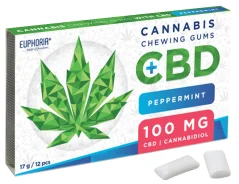
Euphoria Chewing gum 12pcs with CBD 100mg - Peppermint, 17 g