Česky (CZK)
 Deutsch (EUR)
 Polski (PLN)
 Français (EUR)
 Español (EUR)
 Italiano (EUR)
 Română (EUR)
 Ελληνικά (EUR)
 Dutch (EUR)
 Eesti keel (EUR)
 Português (EUR)
 Magyar (EUR)
 Svenska (EUR)
 Dansk (EUR)
 Suomen kieli (EUR)
 български език (EUR)
 Slovenščina (EUR)
 Slovensky (EUR)
 lietuvių kalba (EUR)
 latviešu valoda (EUR)
 Hrvatski (EUR)
 українська мова (EUR)
 Bahasa Indonesia (EUR)
Guarana: Is it really stronger than coffee? Discover the caffeine bomb from the Amazon
- What is guarana
- Effects of guarana: what the studies say
- Not all guarana is the same
- Who is guarana suitable for, and who should avoid it?
- Guarana: a boost from the Amazon rainforest
- FAQ
What is guarana
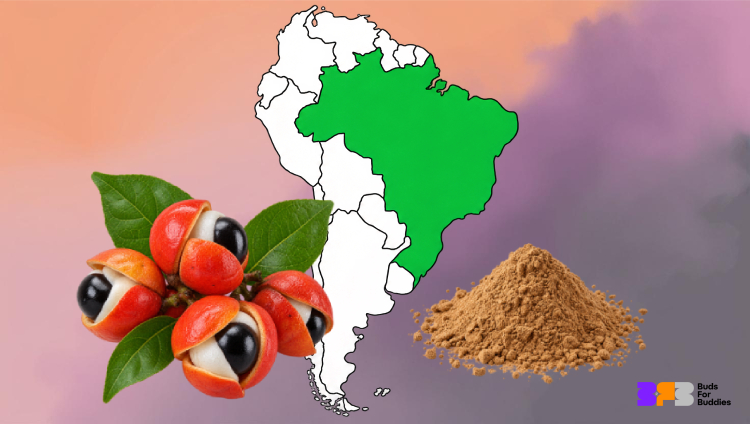
Guarana, or Paullinia cupana is a climbing shrub from the soapberry family, native to the Amazon region. It is grown mainly in Brazil, where indigenous people have used it for centuries to prepare stimulating drinks.
Guarana has distinctive red fruits, which, when ripe, split open and reveal a dark seed surrounded by pale flesh, making them look like an eye 👁️. Caffeine, sometimes referred to as guaranine, is found mainly in the seeds. In addition to caffeine, guarana also contains other compounds that may affect how it works. The most notable include:
- Methylxanthines: These include theobromine and theophylline, for example. They are compounds related to caffeine that may affect alertness and bodily functions.
- Catechins and epicatechins: Plant antioxidants also found in green tea, for example.
- Proanthocyanidins: A group of antioxidants that contributes to guarana’s typically bitter taste.
After harvesting, the seeds are dried, roasted and ground into a powder, which is then processed further or mixed into a drink. The extract used, for example, in energy drinks is produced by extracting the active compounds from the seeds. Compared with the powder, this extract is usually more concentrated.
What does guarana taste like
Many people might expect the sweet taste associated with energy drinks, but pure guarana is very bitter and earthy — it can resemble the taste of very strong green tea or bitter coffee. The bitterness is mainly associated with caffeine, while the astringent sensation on the tongue is linked to tannins and other polyphenols.
How much caffeine does guarana contain
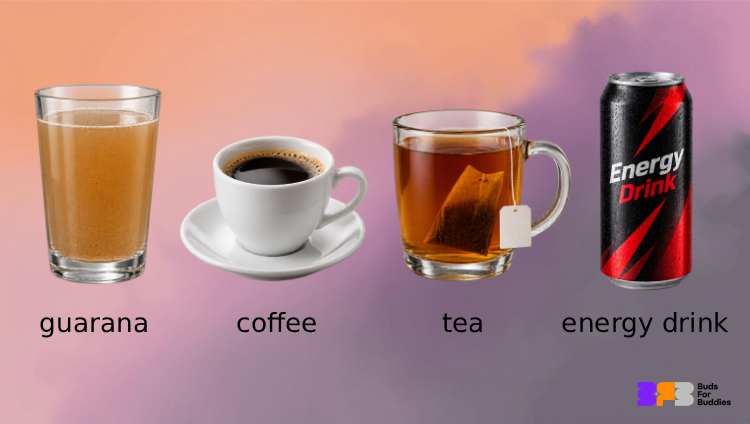
How much caffeine does guarana contain? Guarana seeds contain approximately 2.5–6% caffeine, equivalent to about 25–60 mg of caffeine per 1 gram of ground seeds. This means they can contain several times more caffeine by percentage than coffee beans 🫘 — arabica beans usually contain up to 1.5% caffeine and robusta beans up to 3.5%. The final amount of caffeine depends on the concentration of the specific product, the serving size and the preparation method ☕.
|
Serving size compared |
Approximate amount of caffeine |
|
|
Guarana seeds |
1 g |
25–60 mg |
|
Espresso |
30 ml |
50–80 mg |
|
Filter coffee |
250 ml |
80–170 mg |
|
Black tea |
250 ml |
30–60 mg |
|
Green tea |
250 ml |
20–45 mg |
|
Energy drink |
250 ml |
usually around 80 mg |
|
Cola drink |
330 ml |
25–45 mg |
The values are approximate. For guarana, we list the caffeine content in 1 g of seeds; for the other items, we use a typical serving of the prepared drink. This is therefore not a direct comparison of equal-sized servings.
Caffeine is chemically the same substance in all of these sources and is responsible for the main stimulant effect. However, other compounds can affect how each source acts. Guarana contains tannins and polyphenols, for example, coffee contains chlorogenic acids, and tea contains L-theanine.
Effects of guarana: what the studies say
What is guarana used for? Guarana is most commonly associated with positive effects on attention, memory and alertness, as well as with weight loss. What does scientific research say about these effects?
Attention, memory and alertness ⚡
The most significant effects of guarana are linked to caffeine. In the brain, it blocks adenosine receptors. Adenosine gradually builds up during the day and contributes to feelings of tiredness and drowsiness. When caffeine temporarily suppresses its effects, it may increase attention and alertness.
However, it is important to keep in mind that caffeine does not actually eliminate fatigue or replace sufficient sleep – it only temporarily changes how tiredness is perceived.
Guarana also contains a number of other compounds that may influence its overall effects. Its effects therefore cannot be assessed solely by its caffeine content, nor can they be directly equated with the effects of green tea or coffee.
A 2004 study followed 28 healthy young adults. Participants received guarana extract, ginseng, a combination of the two, or a placebo. The research found that guarana was associated with better performance on some tasks focused on attention and memory.
Another 2007 study compared different doses of guarana extract in 26 people. Some doses improved memory and subjective feelings of alertness without necessarily corresponding to a higher caffeine dose, which may suggest that other components of guarana also contribute to the effect.
However, both studies involved only a small number of participants, so no firm conclusions about the effects of guarana can be drawn from them.
A 2008 study tested 129 healthy people aged 18–24. A drink containing vitamins, minerals and guarana improved speed and accuracy in one demanding cognitive test and reduced the increase in mental fatigue. However, because the drink contained several active ingredients, the effect cannot be attributed to guarana alone.
A 2011 study followed breast cancer patients whose fatigue worsened during chemotherapy. They took 50 mg of dry guarana extract twice a day or a placebo. In some cases, subjective ratings of fatigue improved with guarana, and no serious toxicity was observed.
Although current research suggests that guarana may contribute to better attention, memory and alertness, it should definitely not be considered a treatment for chronic fatigue.
If fatigue persists for a long time, gets worse, or significantly limits your daily life, it is advisable to consult a doctor. Long-lasting and severe fatigue can be a symptom of a more serious health problem, and masking it with stimulants may delay identifying the real cause. Untreated fatigue can also negatively affect performance, mental well-being and overall quality of life.
Guarana and weight loss 🏃
In addition to energy drinks, guarana is a popular ingredient in weight-loss products. Caffeine may reduce feelings of fatigue during exercise and temporarily increase energy expenditure.
The results of a 2019 study in mice showed that guarana extract at a dose of 1 g per kilogram of body weight per day for eight weeks:
- increased energy expenditure,
- reduced weight gain and the amount of body fat,
- partially adjusted adipokine levels, which are signalling molecules produced by adipose tissue,
- activated brown adipose tissue, which uses energy and produces heat,
- improved blood sugar levels and insulin sensitivity.
This study was later included in a 2023 systematic review, which evaluated the results of seven animal studies published between January 1990 and November 2023. Its conclusions also suggest a possible beneficial effect of guarana on energy metabolism, body weight and some markers associated with diabetes and high cholesterol.
However, the research is still very limited, and high-quality human studies confirming guarana’s potential benefits are lacking. Guarana alone cannot be considered a proven weight-loss aid or a treatment for obesity, diabetes or high cholesterol.
Side effects of guarana
The side effects of guarana are linked to caffeine. They include:
- palpitations and an increased heart rate,
- increased blood pressure,
- tremors,
- restlessness, nervousness or anxiety,
- headache,
- nausea, stomach irritation or diarrhoea,
- insomnia and poorer sleep quality,
- more frequent urination.
It is possible to build up a tolerance to caffeine, so with regular use, the same dose gradually has a weaker effect. Suddenly stopping caffeine may cause poorer concentration, fatigue, irritability and headaches.
Not all guarana is the same
There are many different guarana products on the market. The most common include:
- Guarana powder: It is made by grinding dried and roasted seeds. It has a typically bitter taste and is usually mixed into a drink.
- Guarana extract: It is made by extracting compounds from the seeds and can be more concentrated than whole-seed powder.
- Guarana energy drink: In addition to guarana, it may contain other sources of caffeine, sugar or sweeteners, and other ingredients.
- Guarana capsules and guarana tablets: They contain a measured amount of powder or extract and are usually tasteless, making them easy to take.
- Liquid guarana extract: Usually a concentrated alcohol-based extract sold as drops.
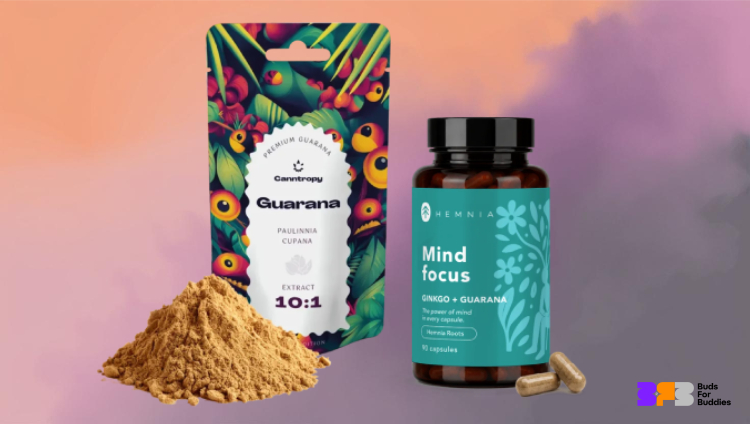
Before buying, it is important to remember that each product has a different caffeine concentration — 500 mg of guarana extract does not mean 500 mg of caffeine. When buying guarana products, check how many mg of caffeine are contained in one package or serving.
A 2026 study of 61 guarana powder products found dramatic differences in caffeine concentration between products. Among the products analysed, caffeine content ranged from 0.2 to 30.2 mg per gram, while the maximum recommended dose of some products exceeded 200 mg of caffeine. The study also highlighted insufficient information about product composition on the packaging.
How to use guarana
How you take guarana and the dose size depend on the product concentration, type and method of use. Always follow the manufacturer’s instructions.
When using guarana, it is advisable to:
- start with the lowest recommended dose,
- avoid taking guarana late in the afternoon or in the evening, so that caffeine does not negatively affect sleep quality,
- avoid combining guarana with other high doses of stimulants.
A 2017 systematic review, which assessed 381 studies examining caffeine safety, found that in healthy adults, total caffeine intake of up to 400 mg per day was generally not associated with obvious adverse effects. However, this is not a strict threshold below which caffeine is safe for everyone and above which it automatically causes problems. Sensitivity to caffeine is highly individual, and adverse effects can occur even at a much lower dose.
Who is guarana suitable for, and who should avoid it?
Guarana may appeal to anyone looking for a boost, for example before exercise, while studying or when driving. It can also be an alternative to coffee or tea.
Use caution if you have a heart arrhythmia, high blood pressure, anxiety, sleep problems or stomach issues. If you take medication for your heart or blood pressure, consult your doctor before using guarana.
Pregnant and breastfeeding women should follow their doctor’s advice. Children and adolescents are more sensitive to caffeine, so guarana supplements may not be suitable for them.
Guarana: a boost from the Amazon rainforest
Guarana is an Amazonian plant, valued especially for its seeds, which contain high levels of caffeine. Guarana powder has a bitter, earthy taste.
Guarana is being studied in connection with attention, memory, alertness and weight loss. Although the results of studies to date are promising, research is limited and convincing evidence confirming these effects is lacking.
Guarana is sold as powder, extract and is also often an ingredient in energy drinks. Also available are guarana tablets and capsules or alcohol-based extracts. When choosing a product, it is important to check the caffeine concentration.
FAQ
1. Does guarana contain caffeine?
Yes, caffeine is the main stimulant component of guarana seeds. It is sometimes called guaranine, but it is chemically the same substance.
2. Is guarana stronger than coffee?
Guarana seeds can contain a higher percentage of caffeine than coffee beans. However, the strength of a particular drink or supplement depends on the actual amount of caffeine in one serving. A cup of coffee may therefore contain either more or less caffeine than a serving of a guarana product.
3. How quickly does guarana take effect?
The onset depends on the amount of caffeine, the product form and metabolism. Without knowing how much caffeine is in a serving, the exact onset cannot be reliably predicted.
4. What is guarana good for?
Guarana is used as a natural source of caffeine in energy drinks and dietary supplements. Caffeine can temporarily affect alertness and the perception of fatigue, but it does not replace sleep or address the cause of long-term fatigue.
5. Is guarana healthy? Is guarana harmful?
Guarana is not inherently beneficial or harmful — it depends on the caffeine content, frequency of use and individual factors.
A healthy adult using an appropriate dose may feel less tired and more energetic. However, in sensitive individuals or at higher doses, caffeine-related side effects may occur, such as an increased heart rate, tremors, restlessness, headache, stomach problems and poorer sleep.
Sources:
- https://pmc.ncbi.nlm.nih.gov/articles/PMC11233186/
- https://pubmed.ncbi.nlm.nih.gov/15582012/
- https://pubmed.ncbi.nlm.nih.gov/16533867/
- https://pubmed.ncbi.nlm.nih.gov/18077056/
- https://pubmed.ncbi.nlm.nih.gov/21612429/
- https://pubmed.ncbi.nlm.nih.gov/30868680/
- https://www.sciencedirect.com/science/article/pii/S1756464623005443#s0010
- https://pubmed.ncbi.nlm.nih.gov/42329224/
- https://pubmed.ncbi.nlm.nih.gov/28438661/
Author: Natálie Kubíčková
Photo: AI
“All information provided on this website, as well as information made available through this website, is for educational purposes only. None of the information provided here is intended as a substitute for a medical diagnosis, nor should it be considered medical advice or recommended treatment. This website does not promote, endorse or advocate the legal or illegal use of narcotic or psychotropic substances or the commission of any other illegal activity. For more information, please see our Disclaimer.“
Recommended products3
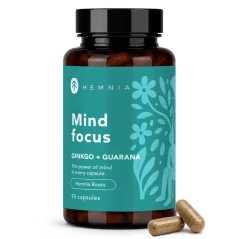
Hemnia Ginkgo + Guarana Capsules 90 x 500mg
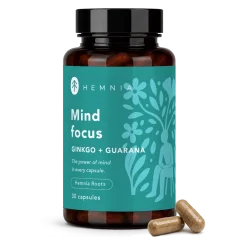
Hemnia Ginkgo + Guarana Capsules 30 x 500mg