

 Česky (CZK)
 Deutsch (EUR)
 Polski (PLN)
 Français (EUR)
 Español (EUR)
 Italiano (EUR)
 Română (EUR)
 Ελληνικά (EUR)
 Dutch (EUR)
 Eesti keel (EUR)
 Português (EUR)
 Magyar (EUR)
 Svenska (EUR)
 Dansk (EUR)
 Suomen kieli (EUR)
 български език (EUR)
 Slovenščina (EUR)
 Slovensky (EUR)
 lietuvių kalba (EUR)
 latviešu valoda (EUR)
 Hrvatski (EUR)
 українська мова (EUR)
 Bahasa Indonesia (EUR)
CBD vs. HHC Hashish: What is it, how is it made and how does it work?
Disclaimer: All information provided in this article is for educational purposes only. This article is in no way intended to entice, encourage or incite anyone to abuse any addictive substances. The legal status of HHC (hexahydrocannabinol) varies by country and may be restricted or prohibited in some jurisdictions. Always check current local laws before purchasing, possessing or handling HHC. The article is not suitable for persons under the age of 18.
What is hashish and how is it made?
Hashish comes from the female flowers of the cannabis plant, specifically the resin. The resin on the trichomes (the fine 'hairs' on the female flowers) is sieved through a fine sieve to separate it from the plant matter. This produces a powder rich in cannabinoids and terpenes, known as kief, which is the basis for hashish production. The kief is then processed by pressure and heat into a compact mass.
There are, of course, other techniques, such as the well-known charas, a traditional production method originating in the Himalayas and India. There, hashish is made from fresh cannabis flowers which are rubbed between the palms of the hands for several hours. The resin is then scraped from the palms and pressed into a homogeneous ball. It is usually dark brown or black, slightly sticky and soft at room temperature.
Hashish in these forms is considered a banned substance in many countries because of its high content of tetrahydrocannabinol (THC), a listed narcotic.
CBD hashish
CBD hash, sometimes also referred to as CBD hash or CBD resin, is also extracted from the cannabis plant, but in this case it is a technical cannabis with a permitted THC limit of up to 1% (in practice, most CBD hashes on offer have a maximum of 0.2-0.3% THC).
While the dominant substance in classic hash is THC, in this form of hemp hash, as the name suggests, it is CBD or cannabidiol. The amount of CBD can vary depending on the product and brand. The standard concentration ranges from 6% to 25%, but there are also stronger variants.
Effects of CBD
CBD is a non-psychoactive substance known for its beneficial effects on the human body and therapeutic potential. CBD interacts with the endocannabinoid system, which affects a number of important functions in the body, such as immunity, digestion, sleep and mood regulation. CBD can be a useful supplement in these cases:
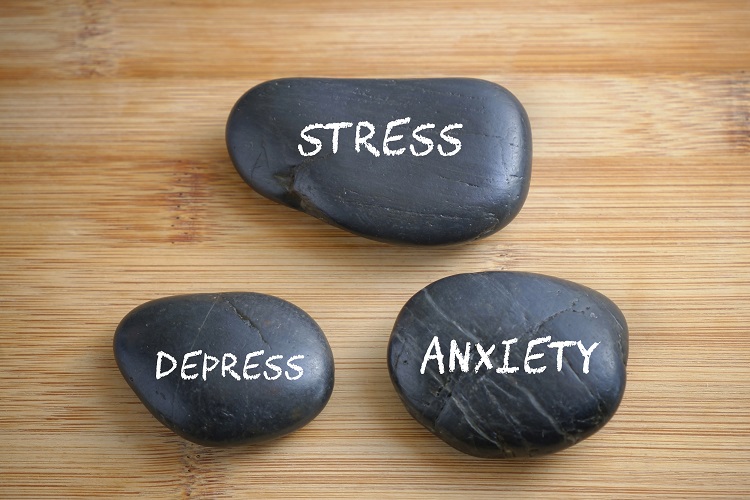
- stress, anxiety and nervousness
- to relieve chronic pain
- skin problems such as eczema and acne
- to reduce inflammation
- insomnia
In addition to hashish, popular CBD oils and drops, capsules, teas, CBD cosmetics and other cannabidiol products are also available on the market.
How to use CBD hashish?
CBD resin is available on the market from different varieties of industrial hemp, enriched with terpenes that give it a specific taste and aroma.
Hashish is most commonly smoked or vaporised. Some use it orally in food or drinks. However, it should be noted that in this country, due to Czech law, it is sold only for collectors' or industrial, technical and horticultural purposes, not for smoking or direct consumption.
HHC hashish
HHC hashish, like CBD hashish, is derived from technical hemp plants with a permitted THC limit. However, unlike CBD hashish, it also contains a high proportion of HHC extract. HHC, or hexahydrocannabinol, was first produced by American chemist Roger Adams when he added hydrogen molecules to THC.
HHC also occurs naturally in cannabis, but only in trace amounts; direct extraction from the plant would be too expensive. So it is currently produced in the laboratory from other cannabinoids such as CBD or the terpenes citronellal, olivetol and L-carvone.
Effects of HHC hashish
We do not yet have enough information on the semi-synthetic cannabinoid HHC, researceh is at an early stage and the long-term effects of use are unknown. According to the available information, HHC may have euphoric, relaxing or sedative effects and may also cause changes in visual and auditory perception.
HHC hashish typically contains 30-50 % HHC and around 15-25 % CBD.
Conclusion
Both CBD and HHC hashish are made from the resin of industrial hemp that meets the permitted THC limits. CBD is a non-psychoactive cannabinoid and is often associated with supporting relaxation and overall well-being. Its potential effects have also been explored in clinical research over the past few years.
HHC, on the other hand, is typically produced in a laboratory. It is usually described as having stronger effects than CBD and may also affect perception. The dominant cannabinoid in HHC hashish is hexahydrocannabinol (HHC), with smaller amounts of cannabidiol (CBD) often present as well. It’s important to note that the legal status of HHC varies by country and, in many places, it is now restricted or prohibited — meaning it may not be legally available for purchase.
Authors: Michaela Mádlová
Photo: Shutterstock
„All information contained on this website, as well as information provided through this website, is for educational purposes only. None of the information contained herein is intended as a substitute for medical diagnosis and such information is not to be considered medical advice or recommended treatment. This website does not promote, endorse or advocate the legal or illegal use of narcotic drugs or psychotropic substances or the commission of any other illegal activity. Please see our Disclaimer for further information.